The Dawn of a New Energy Era
The world has reached a milestone that once seemed decades away — renewable energy has produced more electricity than coal. According to a new report from energy think tank Ember, this achievement marks a defining moment in the global transition to clean power.
In the first half of 2025, global electricity demand grew by 2.6%, yet the rise was more than met by the dramatic expansion of solar and wind generation. Solar alone grew by an astonishing 31%, producing enough energy to cover 83% of the total increase in global demand — roughly equal to Italy’s entire annual electricity consumption.
Coal generation, in contrast, fell by 0.6%, pushing renewables’ global electricity share up to 34.3%, while coal dropped to 33.1%.
From Coal to Clean: A Turning Point
Ember’s analysts call this surge in renewables a “pivotal moment” in humanity’s fight against climate change.
In countries such as China and India, where coal once dominated, the use of wind and solar has grown rapidly enough to meet expanding electricity needs while cutting emissions.
While some regions — including parts of the European Union and the United States — temporarily relied on coal and gas to balance declines in hydro and bioenergy output, the overall global trend is unmistakable: clean energy is winning.
The report urges governments to seize this moment by setting ambitious clean-energy goals and ensuring developing nations receive the support they need to overcome financial and infrastructure barriers.
The Challenge Ahead: Grids and Storage
The rapid growth of renewables also highlights new challenges.
In its own Renewables 2025 report, the International Energy Agency (IEA) warns that power systems must now evolve just as quickly.
Fatih Birol, IEA’s Executive Director, emphasized that solar PV is on track to account for about 80% of the increase in global renewable capacity through the end of this decade. Yet, he cautioned that countries must now focus on supply chain resilience, storage solutions, and smart grids to handle the rising share of clean power.
As renewables flood the market, grid operators in many countries are facing negative pricing events and curtailment, where excess energy goes unused. The IEA calls for urgent investments in grid modernization, large-scale batteries, and flexible generation systems to stabilize this cleaner, faster, more dynamic power network.
“The backbone of future economies will be resilient, flexible, and sustainable energy systems,” notes the World Economic Forum’s Future of Power Systems initiative.
Global Shifts: Progress Around the World
Beyond the headlines, the world is buzzing with energy transformation stories:
CATL, China’s leading battery producer, is sending 2,000 workers to Spain to build a massive battery factory in partnership with carmaker Stellantis — a leap for Europe’s green industry.
In Queensland, Australia, one of the region’s largest coal-fired power plants may close six years earlier than planned, speeding up the state’s energy transition.
European refineries are shifting toward cleaner products, from biofuels to sustainable aviation fuel, responding to rising environmental standards.
In Malaysia, energy ministers from the ASEAN region met to expand cooperation on cross-border power grids, renewable integration, and low-carbon development.
Meanwhile, a new hydrogen-powered motorsport series — the FIA Extreme H World Cup — launched in Saudi Arabia, showcasing how even high-speed racing can embrace clean energy innovation.
A Future Powered by Collaboration
The momentum is undeniable. Emerging economies are leading creative solutions, industrial giants are reinventing their strategies, and global institutions are working to make clean power affordable for all.
The World Economic Forum’s Coal to Clean platform is already collaborating with banks, governments, and civil society to fund early retirement of coal plants and channel investment into renewables in developing regions.
The message is clear: with global cooperation, innovation, and investment, the world can power itself without pollution.
Conclusion: The Light is Winning
Humanity stands at a transformative crossroads. The rise of renewables is more than a technical achievement — it’s proof that progress, science, and collective action can reshape the planet’s future.
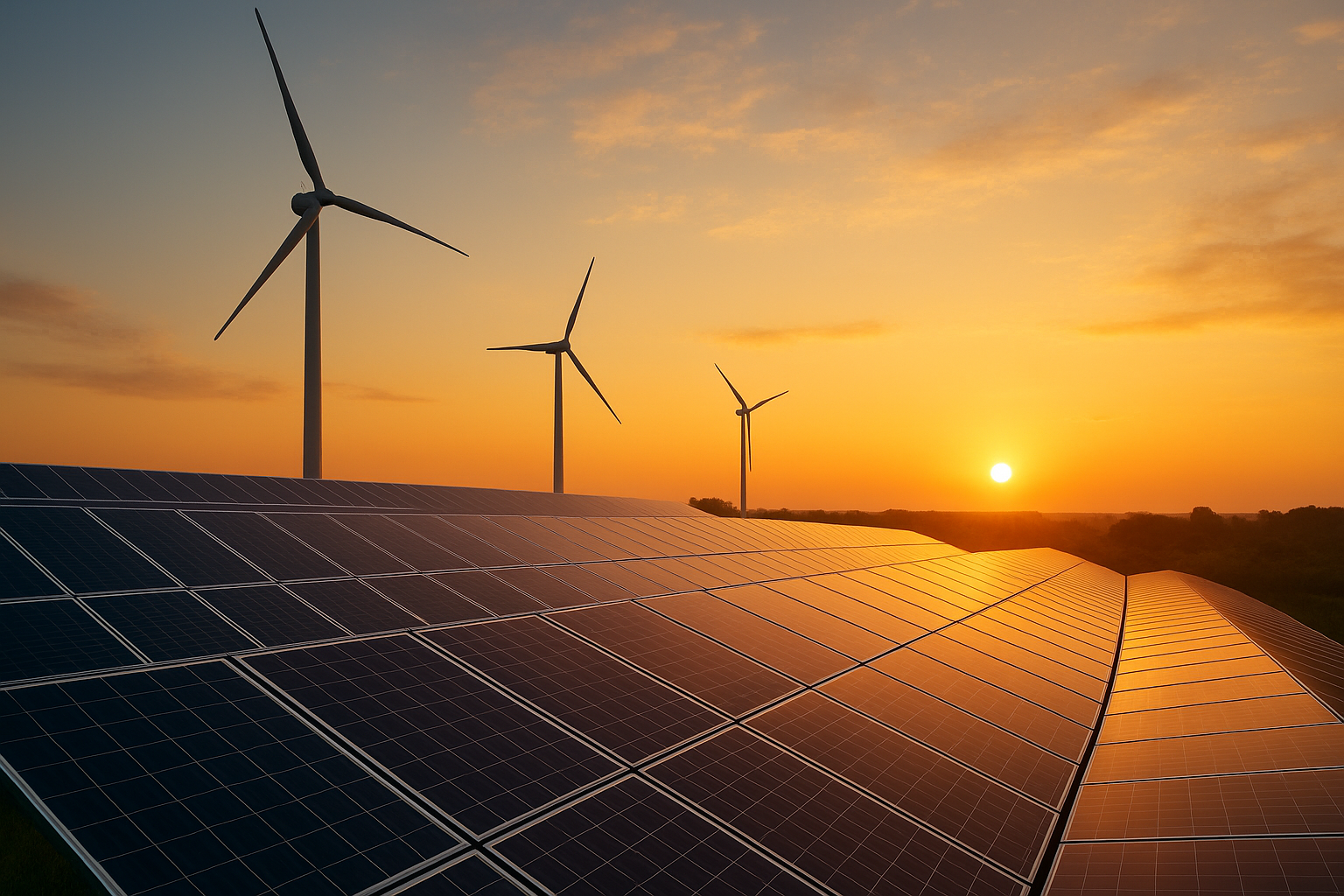
Coal once symbolized the industrial age. Now, solar panels and wind turbines symbolize a new era of hope — one where clean energy doesn’t just compete with fossil fuels, it surpasses them.